Home Window Tinting: Energy, Privacy, Protection
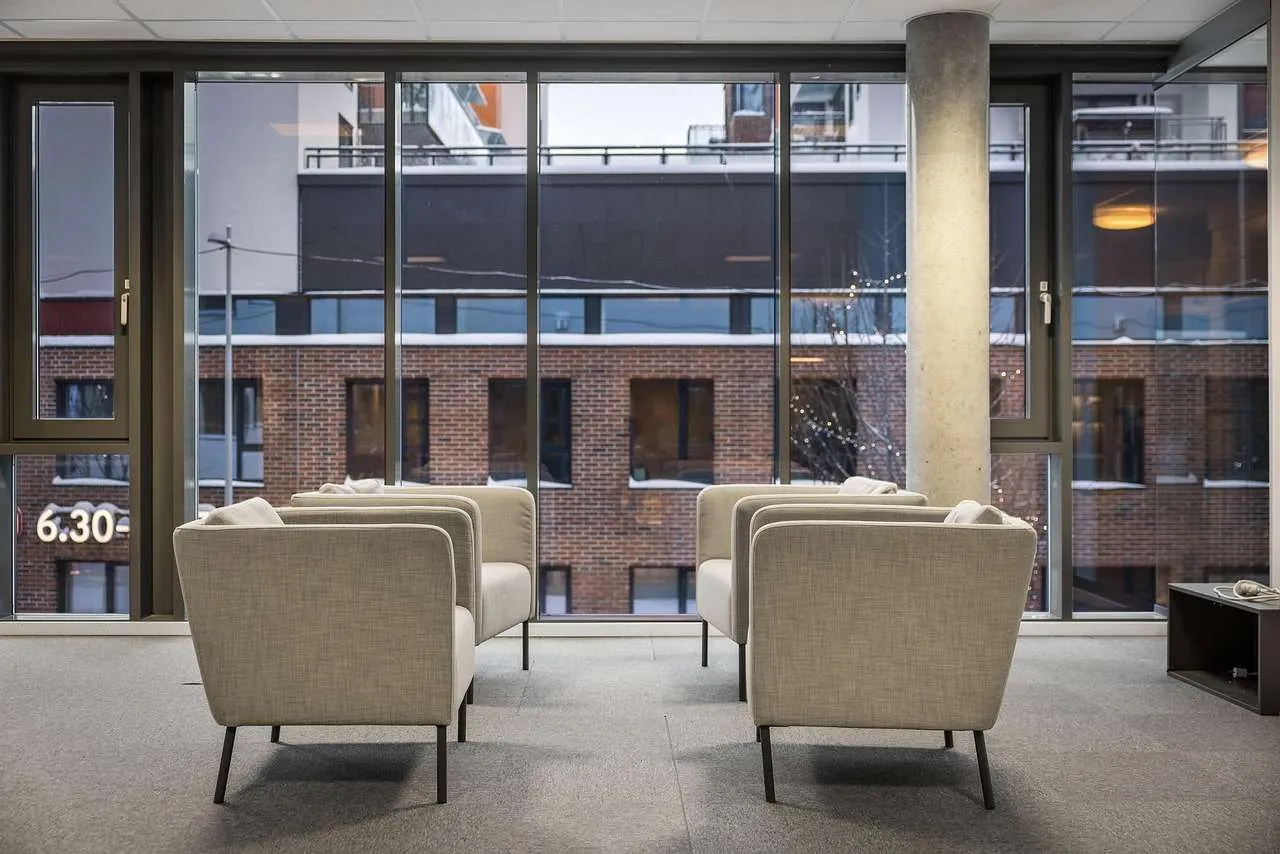
Home window tinting refers to applying a thin film to window glass to reduce heat, glare, and UV exposure while preserving visibility. The film is designed to stay clear during the day and can be chosen in a range of tints to match privacy needs and style. Advances in tint technology now offer energy efficiency, protection of furnishings, and even safety enhancements.
Benefits of home window tinting
- Energy efficiency and comfort: most films cut solar heat, reducing cooling costs in hot climates.
- UV protection: blocks up to 99% of harmful UV rays, protecting upholstery and skin.
- Privacy and glare control: different VLT levels reduce visibility from outside without darkening interior excessively.
- Safety and security: many films hold glass together if shattered, improving safety in accidents or break-ins.
How tint works and what to consider
Key factors when evaluating home window tinting include visible light transmission VLT, infrared rejection IRR, ultraviolet UV rejection, color and reflectivity, durability, and warranty.
Types of tint film
Dyed films offer color and privacy at a lower cost but may reflect less heat at the end of their life.
Metalized films reflect a portion of the sun, providing strong heat rejection but can interfere with electronics and a shinier appearance.
Ceramic films are high performance without metal and provide excellent heat rejection, minimal glare, and strong clarity.
Carbon films deliver a natural tone with good heat control and low reflectivity, suitable for homes that want a non-glare look.
Hybrid or nano-ceramic blends aim to balance cost and performance with long-term durability.
Choosing the right tint for your home
Consider your climate, orientation of windows, and privacy needs. For sun-facing rooms, higher heat rejection can improve comfort but may require lower VLT for privacy. Check local regulations for front windows, as some jurisdictions restrict certain tint levels on street-facing glass. Always verify warranty terms and ensure that the installer provides certification of compliance with safety standards.
DIY vs professional installation
DIY tinting is possible on small projects, but residential installations on large windows benefit from professional expertise. A trained installer ensures bubble-free application, clean edges, and even coverage, which preserves visibility and avoids peeling. Professional services often include a warranty on the film and labor.
Costs and return on investment
Costs vary by film type and window size. Typical residential films range from a few dollars per square foot for basic dyed films to higher prices for ceramic or nano-ceramic options. Factor in installation costs, warranty, and potential energy savings over 5 to 10 years. In energy-conscious homes, the savings from reduced cooling load can offset the initial expense over time.
Maintenance and care
Clean glass with a soft cloth and mild cleaner. Avoid ammonia-based products that can damage the film. Do not press hard on edges. If you notice bubbling or peeling, contact the installer for warranty work.
Comparison: film types at a glance
| Film Type | VLT Range | IR Rejection | UV Rejection | Durability | Typical Cost |
|---|---|---|---|---|---|
| Dyed | 25-60% | Moderate | Good | Low to moderate | Low |
| Metalized | 20-70% | Very good | Good | Potential interference | Medium |
| Ceramic | 15-70% | Excellent | Excellent | High | High |
| Carbon | 25-60% | Good | Excellent | High | Medium-High |
Note that exact VLT and performance vary by brand and product line. Always request lab-tested specifications and inquire about field service for warranty claims.
What EEAT looks like in home window tinting
Expertise is shown by choosing reputable installers with verifiable credentials and a portfolio of residential projects. Authoritativeness is established through transparent warranties, third party certifications, and clear, verifiable estimates. Trustworthiness comes from honest guidance about local regulations, return on investment, and the limitations of tinting in certain climates.
Conclusion, home window tinting offers energy savings, UV protection, privacy, and safety when chosen and installed properly. By understanding film types, VLT, and local regulations, homeowners can select the right film and secure a quality installation, maximizing long-term comfort and ROI.